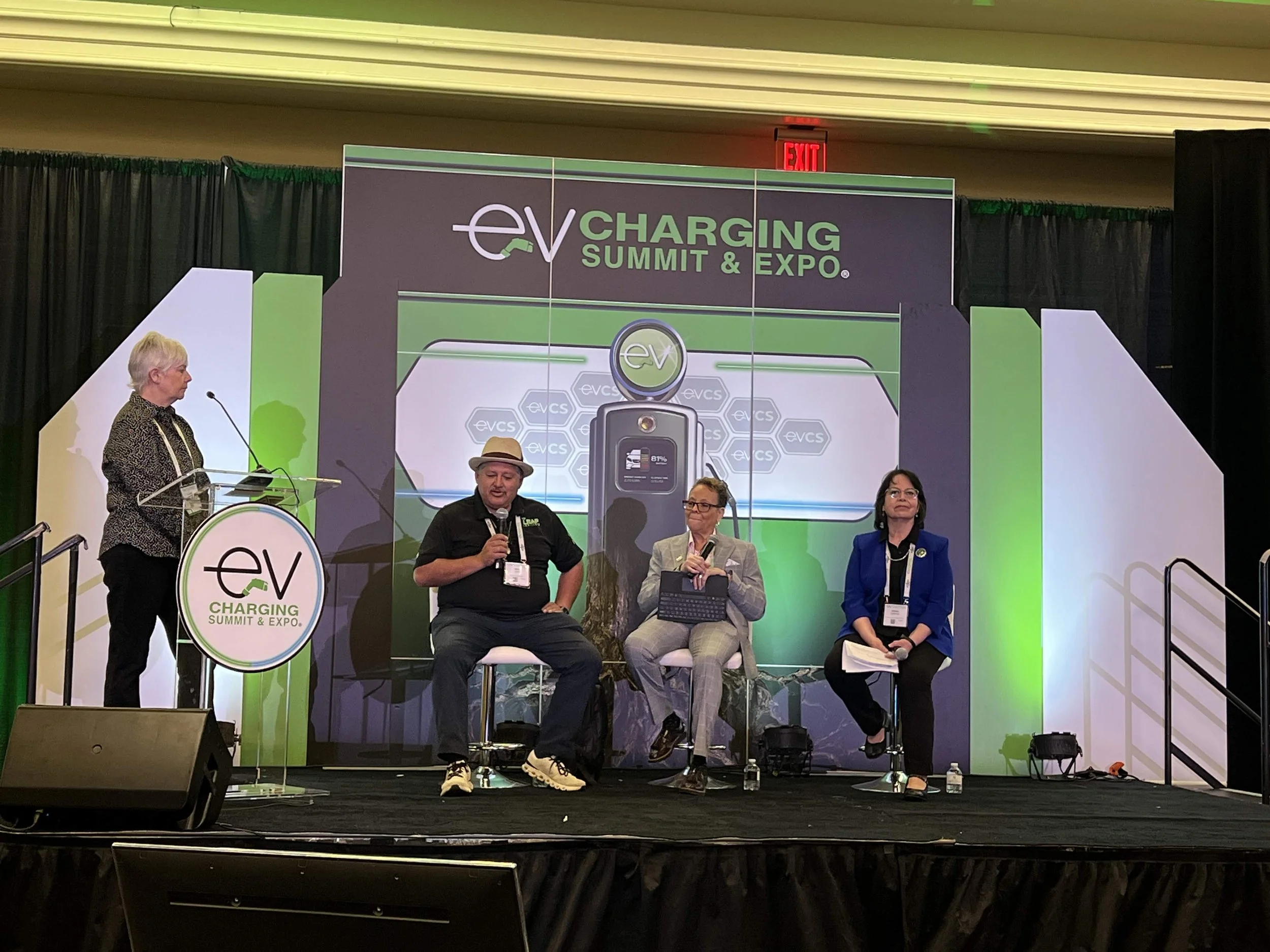
What We Learned at EVCS 2026: From Buildout to Execution
By John Higham, EVA VP of Communications and Public Affairs
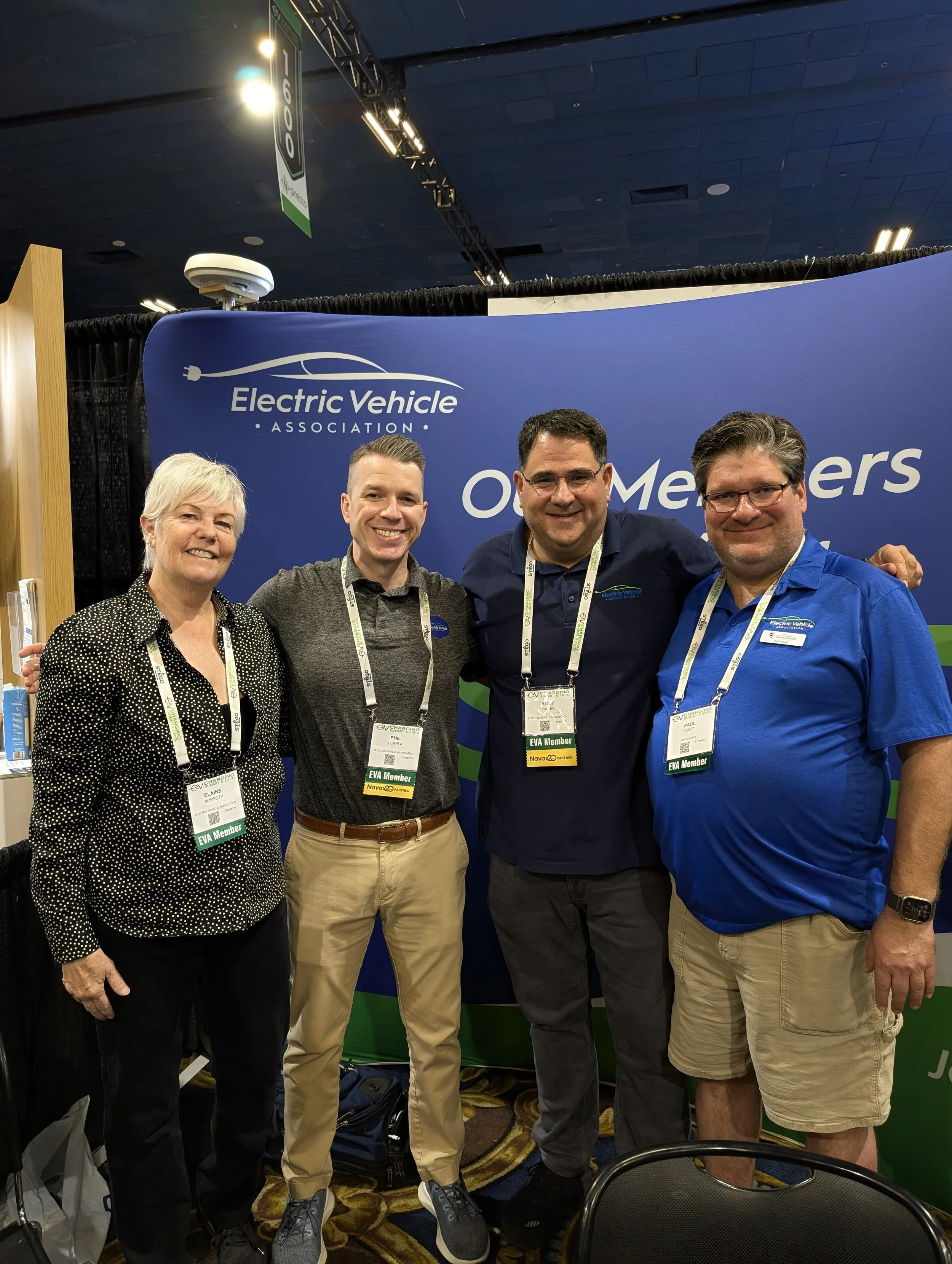
The Electric Vehicle Association was well represented at the EV Charging Summit 2026 in Las Vegas, with participation from the Executive Director, four members of the Board of Directors, and chapter members from across the country, from Las Vegas to New York.
EVA leadership contributed directly to the program, with board members leading roundtable discussions and participating in key sessions spanning policy, customer experience, and infrastructure financing.
Across panels, roundtables, and conversations on the show floor, one message came through clearly:
EV charging is no longer a technology problem—it is an execution challenge.
The industry has made significant progress deploying fast charging infrastructure. The focus now is on delivering a consistent, reliable, and economically viable charging experience at scale.
A more subtle message was simply this: auto manufacturing might be experiencing headwinds, but deployment of charging infrastructure is not. Let;s dive in.
Economics Are Shaping the Charging Experience
One of the clearest takeaways from EVCS was that charging performance is not just a technical issue—it is deeply shaped by economics.
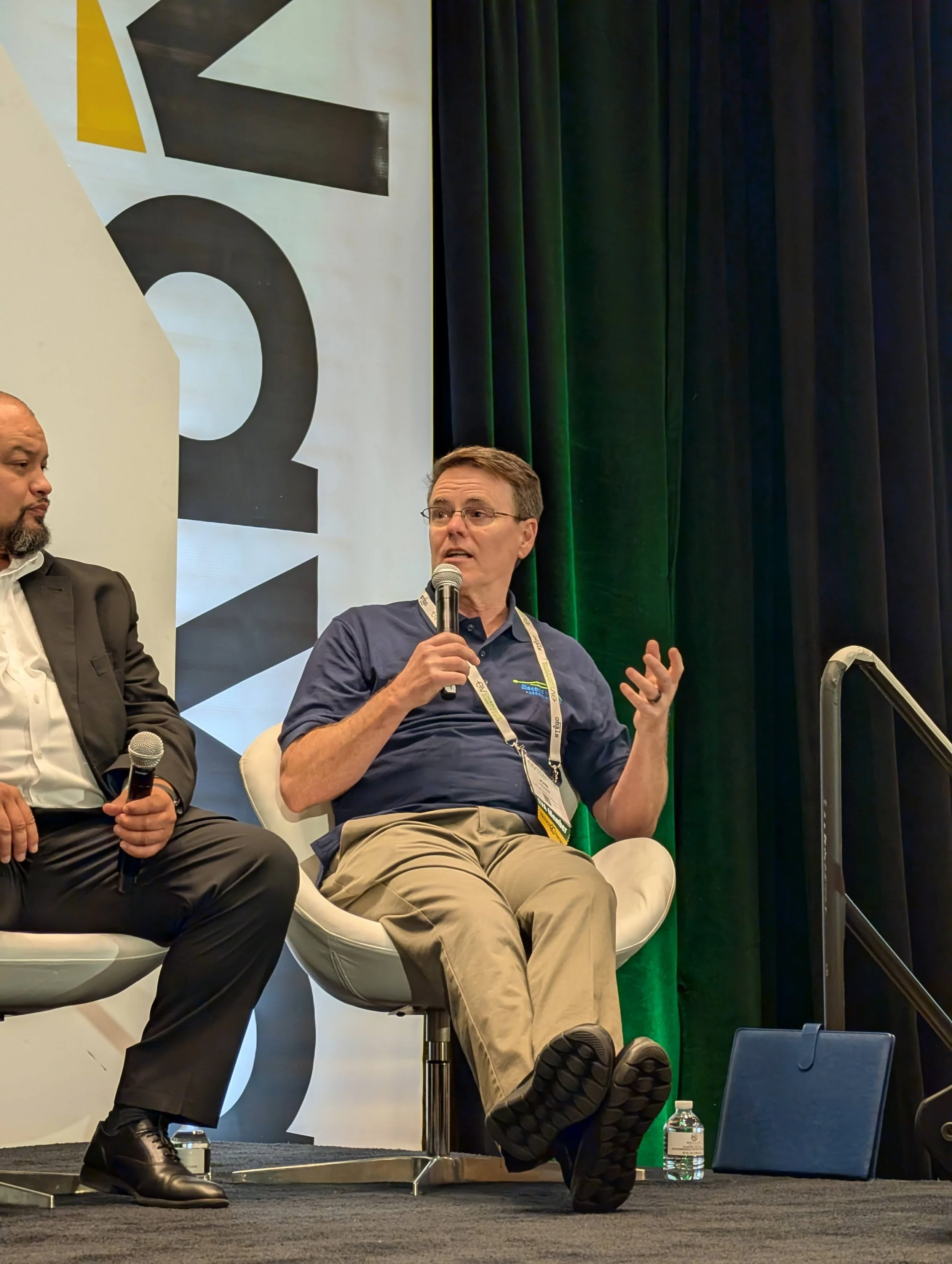
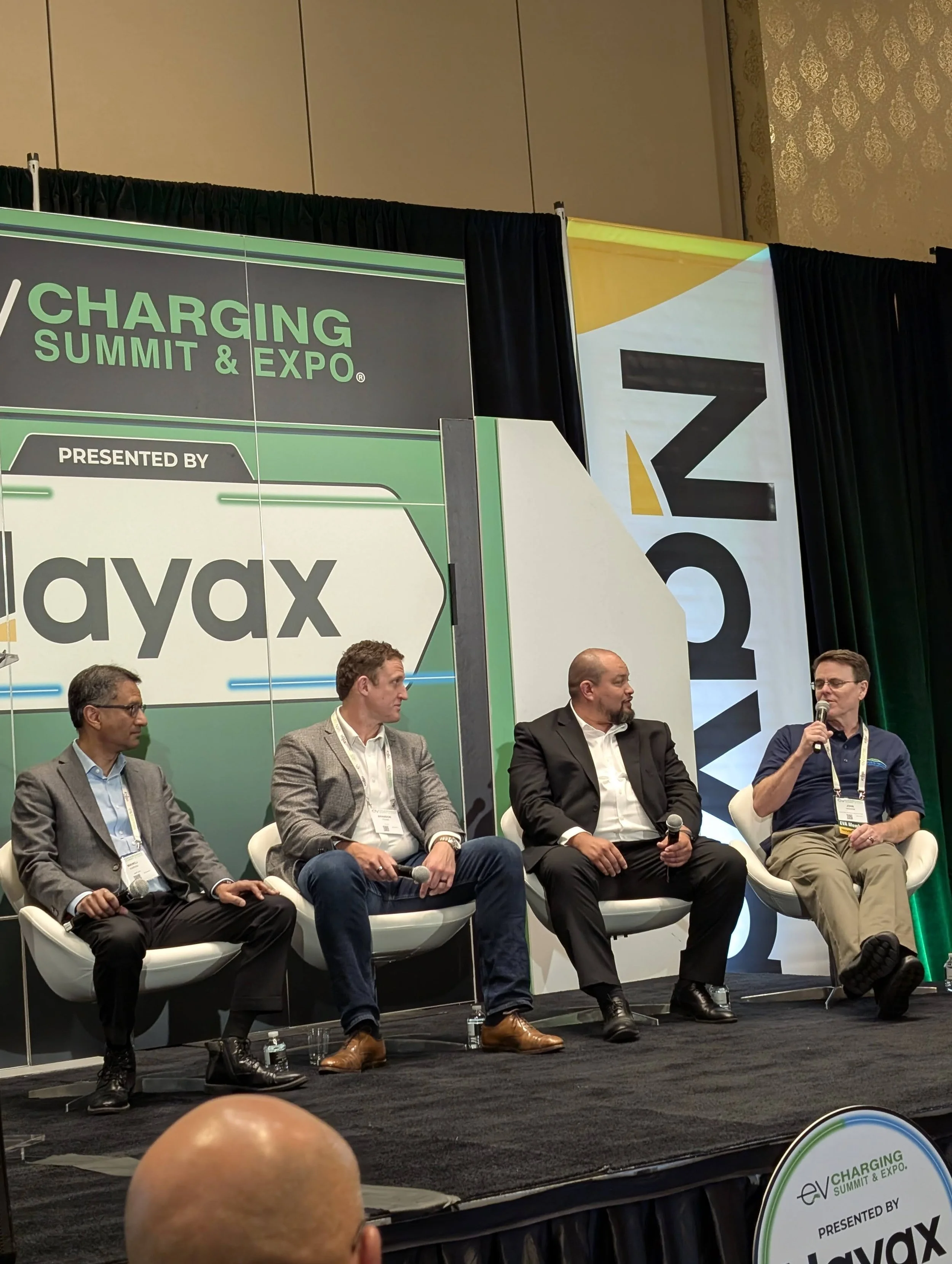
This theme was central to the session led by board member John Higham “EV Infrastructure Financing in Action: Leasing, Charging-as-a-Service, and More,” where discussions highlighted how financial realities directly influence operational decisions.
Charging network operators face demand charges—utility fees based on peak power usage. A single vehicle charging at full speed can create a significant spike in those costs.
So what happens in practice?
In some cases, operators intentionally limit the power their stations deliver to manage those demand charges.
That means a charger capable of delivering 350 kW may operate at a lower level—not because it is broken, but because delivering full power can be prohibitively expensive.
This dynamic is highly site-specific. It depends on local utility rate structures, site utilization, and the contractual terms governing electricity supply. It is not unique to any one charging provider—it is a structural feature of the current system.
For drivers, this creates a frustrating disconnect between expectation and reality. For operators, it can be the difference between a profitable site and one that struggles financially.
This tension—between delivering a high-quality customer experience and maintaining a viable business model—is at the heart of the industry’s next phase.
The Industry Is Still Defining the Business Model
EV charging infrastructure is rapidly emerging as a new asset class—but the business model is still evolving.
Discussions across developers, financiers, and site hosts highlighted that:
Contract structures remain immature
Risk allocation—downtime, underperformance, vandalism—is often unclear
Long-term operating assumptions are still being tested
Real-world costs, including maintenance and site security, are becoming more visible and more consequential.
The takeaway is straightforward: Scaling infrastructure is not just about installing equipment—it’s about building durable, financeable systems that can perform over time.
Energy Storage Is Becoming a Key Enabler
EVA Board Member Andrew Fraser led the roundtable “Integrating Energy Storage Systems & Charging Stations,” highlighting the growing role of Battery Energy Storage Systems (BESS) in charging infrastructure.
Key takeaways included:
Grid buffering: Storage can supplement limited utility capacity
Peak demand management: Reducing exposure to demand charges
Resilience: Providing power during outages
Performance gains: Enabling higher effective charging speeds
As infrastructure scales, integrating onsite storage is increasingly seen as a practical solution for improving both economics and reliability.
Policy Conversations Emphasize Stability
EVA Board Member Elaine Borseth led the roundtable “Common Ground, Charged Future: Bipartisan Leadership on Powering America’s EV Future.”
The discussion highlighted the importance of policy stability in enabling long-term investment.
Participants emphasized that:
As EV adoption accelerates nationwide, participants emphasized the critical role of bipartisan leadership in advancing a shared, forward-looking transportation future
NM State Representative Debbie Sariñana and former Nevada Senator Pat Spearman highlighted the importance of national and state-level policy, infrastructure investment, and education-driven approaches to sustainable transportation and energy security
Mayor Rey León brought local perspectives, underscoring coalition-building and the need to expand EV access and economic opportunity in underserved communities
The discussion showcased practical, real-world strategies for aligning policy, infrastructure, and equity—leaving attendees with a clearer understanding of how collaborative leadership is driving America’s EV momentum forward
While approaches may differ, the need for reliable, scalable charging remains a shared priority.
Defining a “World-Class” Charging Experience
Board member John Higham also participated in discussions on “Creating a World-Class Customer Charging Experience,” where a key theme emerged: the definition of “world-class” depends heavily on perspective.
From an industry standpoint, it often includes:
Well-located sites
Integration with retail and amenities
Loyalty programs and customer engagement
Modern, thoughtfully designed facilities
From a driver’s perspective, however, the definition is simpler:
Will the charger work—and be available—when it’s needed?
Aligning these perspectives remains one of the most important challenges facing the industry.
Engagement Across a Growing Ecosystem
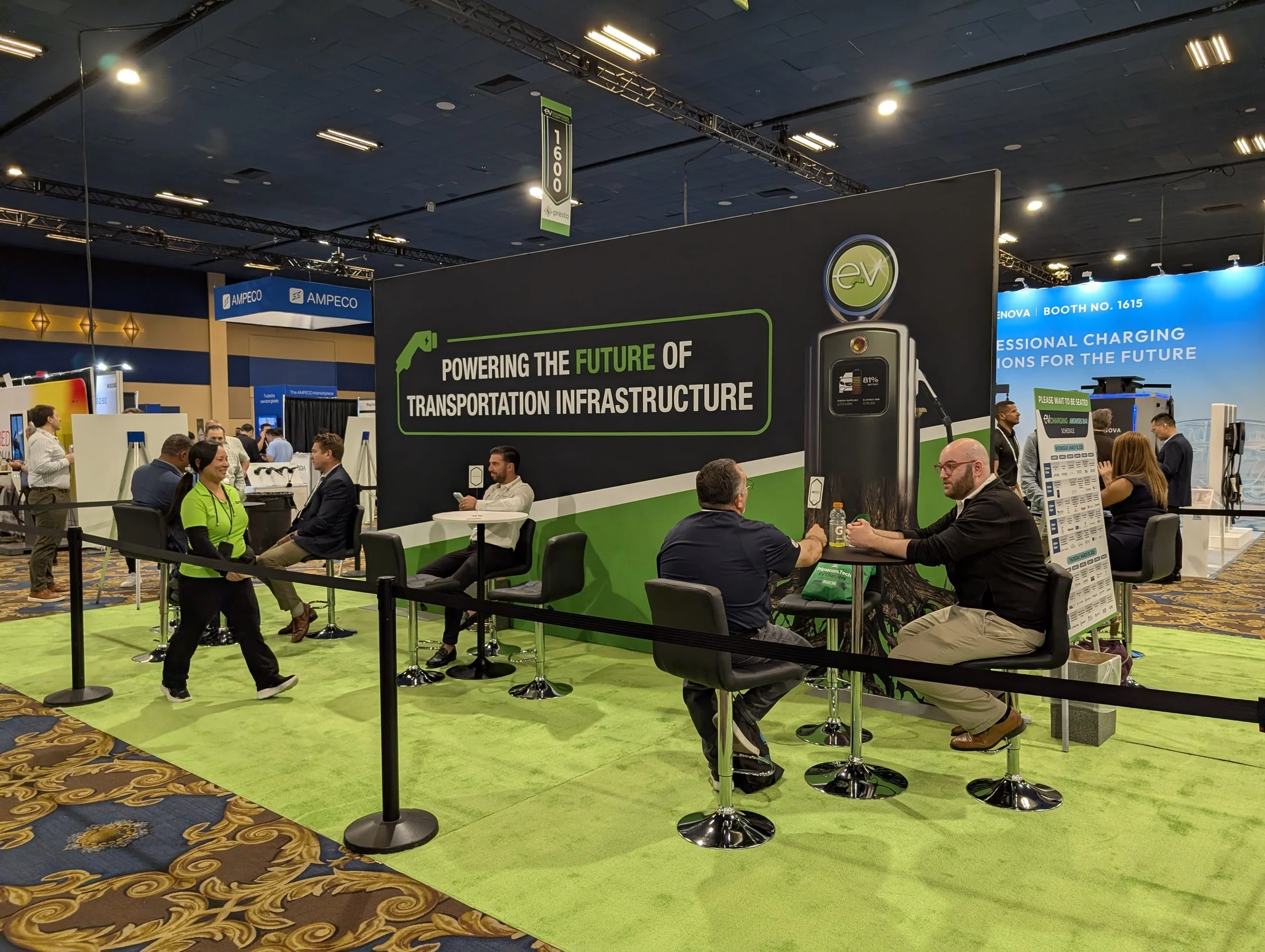
At the EVA booth, conversations with charging operators, manufacturers, utilities, policymakers, and new market entrants reinforced the breadth and momentum of the ecosystem.
A consistent theme emerged:
The EV charging industry is active, collaborative, and focused on improvement.
Participants are no longer debating whether to build—they are focused on how to build better, faster, and more reliably.
The Bottom Line
EVCS 2026 underscored that the industry has entered a new phase.
The technology is proven
Investment continues to flow
Deployment is accelerating
While automakers may face near-term headwinds, the charging infrastructure sector remains robust and expanding.
What comes next is the more complex challenge:
Aligning economics with performance
Maturing contracts and business models
Incorporating real-world user needs into system design
Because ultimately, success will not be measured in chargers installed—
It will be measured in whether drivers trust the system.