What EVA Chapters Are Learning from Each Other
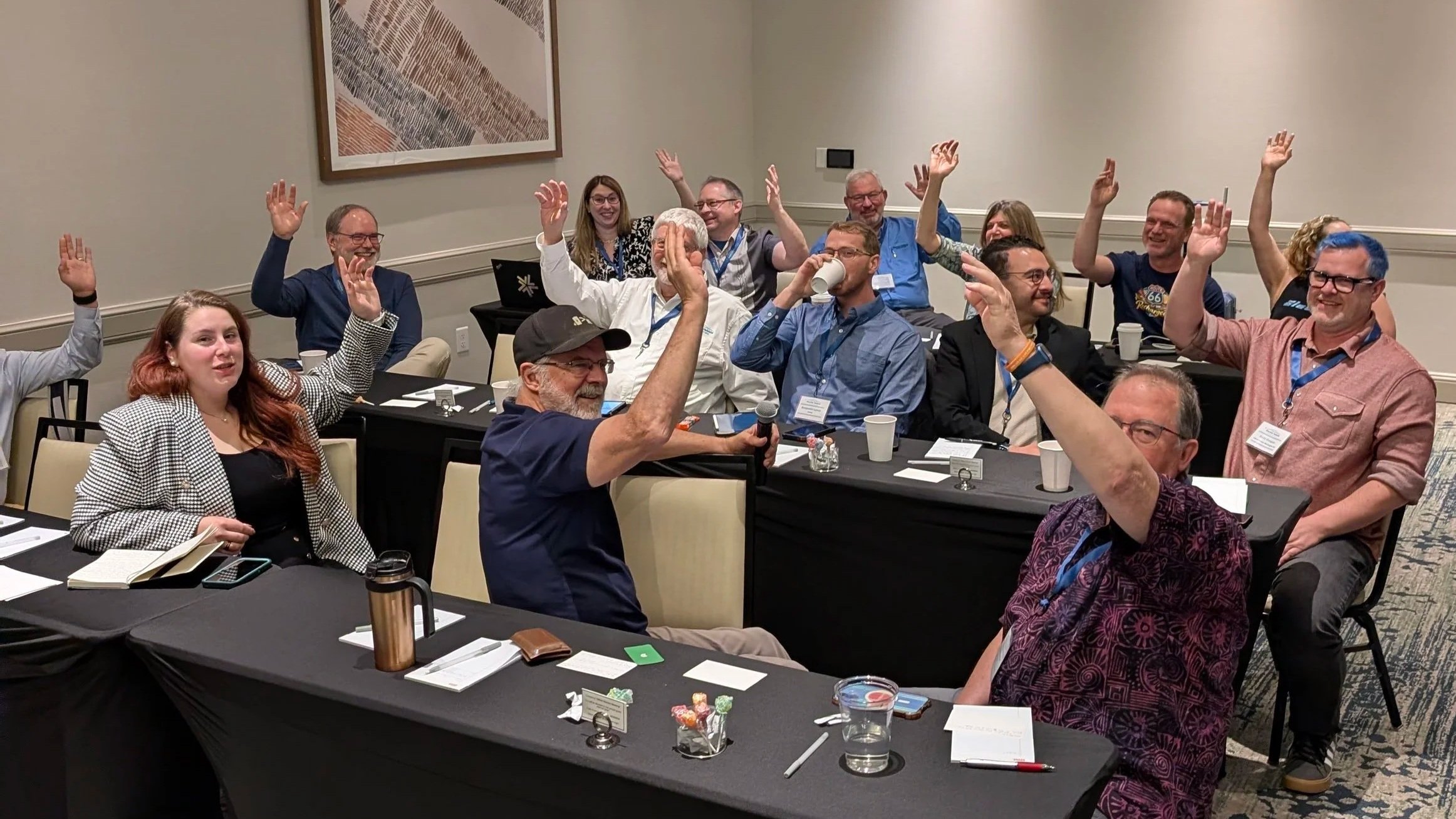
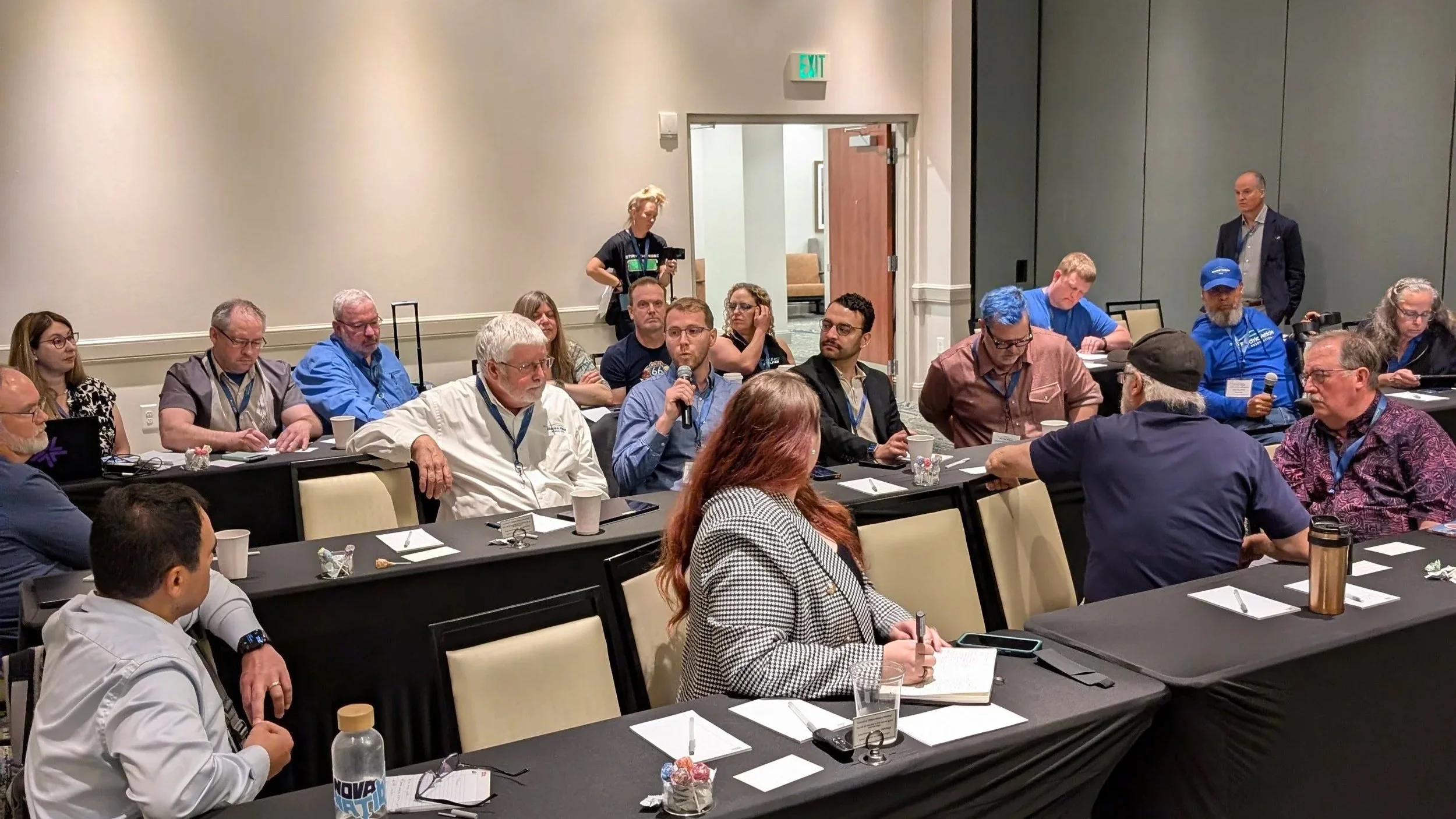
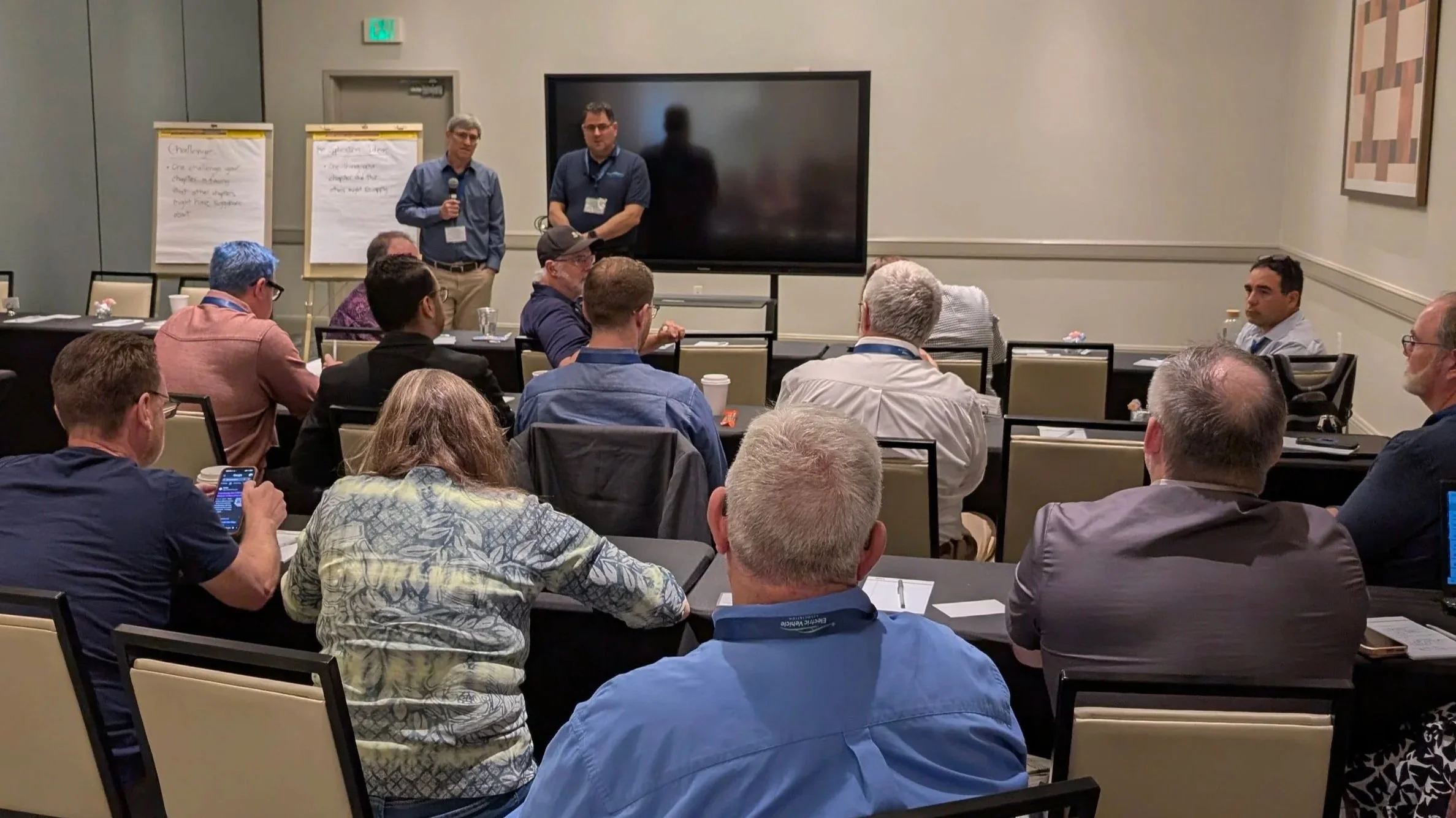
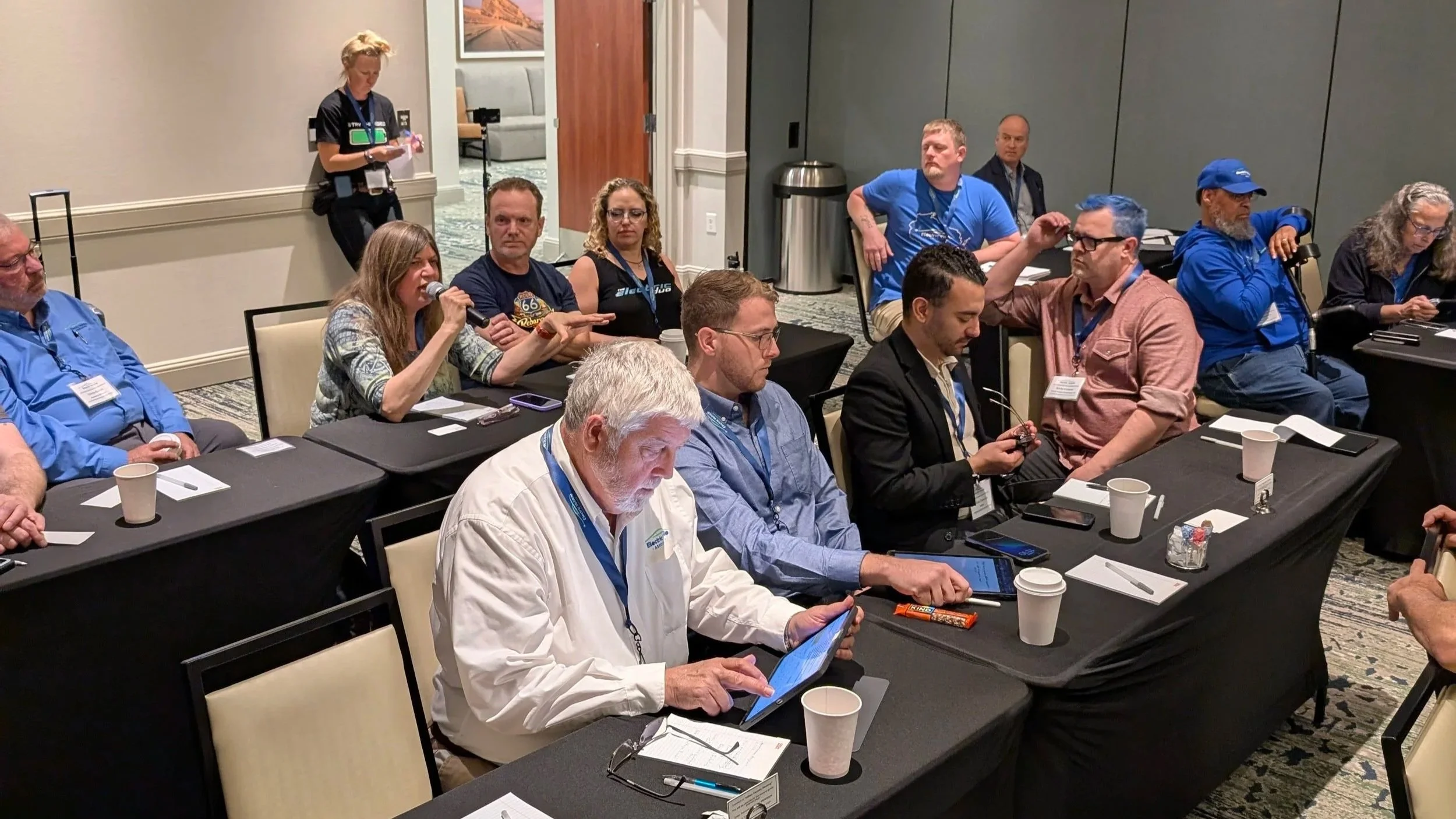
EVA chapters collectively hold enormous expertise, recruiting members, running events, working with dealerships, and everything in between. Whatever challenge your chapter is facing, another chapter has probably dealt with it. This session at our annual EVA Members Summit on May 30 was designed to surface that institutional knowledge and put it to work.
What's Working
New and Used EV Buyer Guides
The Greater DC EVA chapter has long distributed a new car buying sheet at events, keeping it current with trim-level detail that manufacturers' own websites often lack. More recently, they developed a used EV buyer's guide — designed to be easily co-branded by any chapter. With more vehicles coming off lease and used EV prices rising, this kind of ready-made resource is increasingly valuable.
Festival Events with a Two-Tent Strategy
When ride-and-drive events are co-located with large festivals, the EV area is often off the main path for safety reasons — which creates an awareness gap. The EVA of Ohio chapter’s fix: a second tent in the main festival area to intercept foot traffic and direct people to the test drive zone.
Electric Avenue at Cars and Coffee
Every month, the Denver Electric Vehicle Council stakes out a section of a large cars and coffee event with "Electric Avenue" street signs. EV owners show up, geek out, and talk to curious passersby. Organization is minimal — a monthly email to ~150 owners and posts in local EV Facebook groups. These kinds of recurring local events should also be listed on EVA's national calendar, which surfaces nearby events based on location — another easy win for visibility.
Going Where Conservatives Are
The Wisconsin EVA chapter has taken EVs to classic car and muscle car shows — events where EVA volunteers sometimes anticipate a hostile reception. The reality: it usually goes fine, and it's far more valuable to have those conversations than to preach to the choir. Other suggestions included country festivals, county fairs, and the ongoing Generation 180 / Dave Matthews Band summer concert tour, where chapters can table along the route.
Dealer Coaching Program
The Greater DC EVA chapter is piloting a post-purchase coaching program in which new EV buyers at participating dealerships scan a QR code and get matched with an experienced EVA member — ideally someone with the same vehicle or platform. The coach helps with charging, trip planning, home charger installation, and other common new-owner questions.
Shared Challenges
Involving Geographically Spread-Out Members (Wisconsin EVA): With 25 members across the state of Wisconsin and only 3 or 4 actively responding to emails, the Wisconsin chapter president raised a challenge many chapters face: how do you activate dues-paying members who have gone quiet?
Several ideas emerged:
Diversify communication channels
Email alone doesn't cut it anymore, especially with younger members. Texts get far better response rates. Personal outreach — a direct call or message — works even better.
Ask for one thing
Don't ask people to join a committee. Ask them to show up with a clean car from 9 a.m. to 2 p.m. One specific, low-commitment task is far easier to say yes to — and people who do one thing tend to do more over time.
Build local team leaders, not just members
The Ohio chapter addressed geographic spread by going to EV clubs in other cities, making the case for joining EVA, and recruiting one or two people to become local leaders. Chapters don't have to grow from the center out.
Make it feel like their passion project
One chapter organizer described "tricking" 100 people into an event by inviting them to show off their car and talk about a topic they loved. Nobody felt recruited. Everyone felt special. A Cybertruck powered a pizza oven. It worked.
Reaching Beyond the Usual Audience
A recurring theme throughout the session: the people most worth reaching are the ones who haven't yet decided to drive an EV.
Lead with economics, not environment
Cost savings are universally compelling. Messages around saving money on fuel, home energy independence, and less maintenance (available on the national EVA website, with state-level data) land across the political spectrum. Several chapter leaders mentioned avoiding environmental topics entirely — not because it doesn't matter, but because it can trigger defensiveness before any real conversation starts.
Don't assume who's in your audience
Conservative EV owners exist, and they're members of your chapter. Presuming everyone shares the same political leaning, in either direction, risks alienating the members you already have.
Contractors and trade workers are a natural bridge
The idea came up twice: electricians, EVSE installers, and contractors doing EV charging infrastructure work are already embedded in communities that might otherwise be skeptical of EVs. Partnering with trade schools and contractor networks was flagged as an underutilized avenue.
Rural areas are an opportunity, not an obstacle
Rural residents are more likely to be able to charge at home, and charging infrastructure in rural areas has improved dramatically. Bringing events to rural communities — county fairs, farm festivals, country concerts — reaches people with real decision-making power who may have never sat in an EV.